
Choosing The Best Chemical Bottle For Your Blend
Once your chemical blend has been perfected, the challenge turns to find a suitable chemical storage container for your product. As you shift your focus, you will need to become well-versed in the breadth of chemical packaging options available. The material of the storage container needs to be suitable for the chemical mixture so that it does not degrade or get altered in any way. Additionally, some compounds, like strong acids or bases, require additional safety considerations and care because of their inherent health risks. You will also need to consider what storage container is most suitable and economical for your compound.
To help select the perfect chemical containers, here is a quick guide that goes through all the considerations that must be made to make the safest choice.
What do you call a chemical bottle?
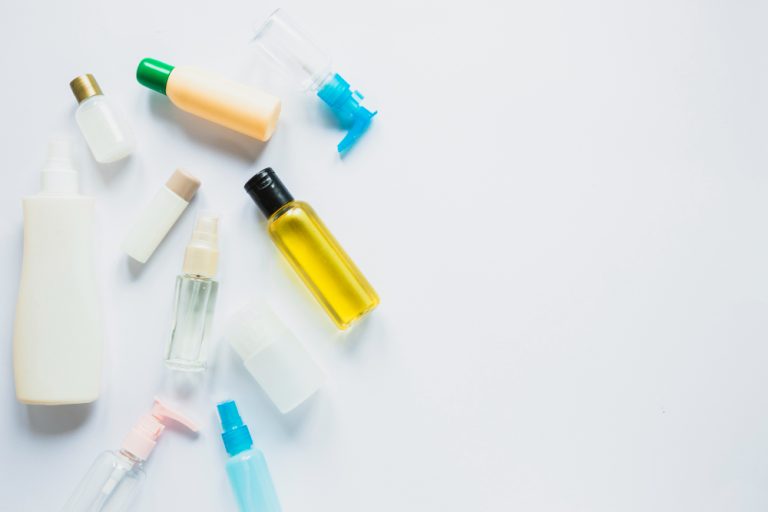
Let’s start with nomenclature. Finding the right bottle begins with knowing the proper search terminology. Bottles that contain chemicals are most commonly called reagent bottles. These bottles are most frequently manufactured from plastic or glass. Other containers, such as aluminium chemical bottles, are also used in certain instances. These bottles are sealed with special caps or toppers. All reagent bottles must comply with OSHA labelling requirements and global scientific standards.
Color-coded glass chemical bottles
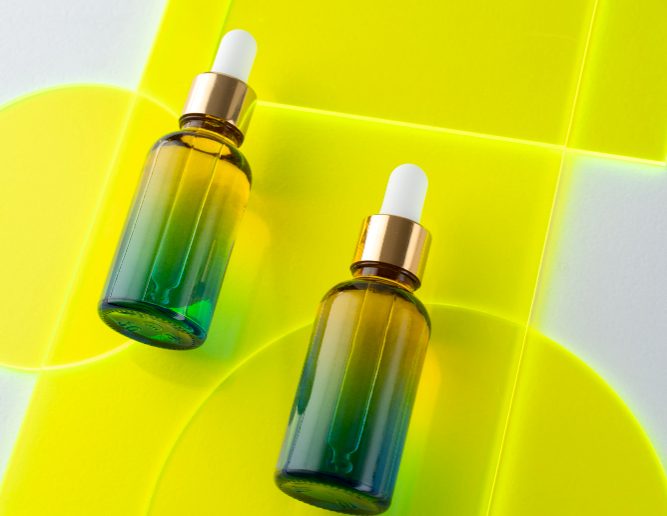
Glass is inert and non-porous, making it a worthy choice for chemical storage. While most glass bottles for chemicals are clear, you have probably seen bottles in different translucent red, brown, or amber colors. This kind of glass reagent bottle is specifically designed to safely store chemical compounds that react to light. If your chemical blend is sensitive to visible light, UV, or IR radiation, you will need to select glass chemical bottles like this to ensure that your products don’t degrade during storage or transportation. While glass bottles provide an excellent barrier for most chemicals, they are heavy and more expensive than plastic. Plus, glass has the possibility of breaking, leaving spilled chemicals and dangerous shards behind.
Plastic chemical bottles
Unlike glass, plastic chemical bottles are lightweight and shatter-resistant, which comes in handy when in transport. They are made from either high-density or low-density plastic and all plastic bottles identify their origin materials via a resin identification code marked on their base. Some of these bottles are stackable with interlocking lid and base configurations to make storage easier and more convenient. You can find a seemingly endless selection of plastic bottle configurations, from tightly sealed to vented tops that allow gases to escape. Read below about the most popular plastic bottles used for chemical storage.
Aluminum bottles
Bottles made from aluminum are lightweight, sturdy, corrosion-resistant and 100% recyclable. These bottles are perfect for long-term storing and shipping of chemicals that can be easily contaminated, such as pesticides.
Teflon Coated Bottles
The non-stick nature of Teflon, along with its resistance to powerful acids and bases, makes it a perfect coating for storage containers that demand more protective containers.
How should those reagent bottles be stored?
Once you have chosen a bottle, you still need to make sure you are storing your chemical compounds correctly. Here are a few do’s and don’ts to maximize shelf life and efficacy.
- Do choose a controlled environment for storage.
- Do provide a dark, dry space without moisture. Ideal storage temperatures range from 36°–85°F (2°–29°C); your specific chemical compound may vary.
- Don’t leave your chemical storage bottles in the trunk of your car or garage.
- Don’t let them sit directly in the sun.
- Do replace the caps right after using them.
- Don’t risk contamination by switching caps or placing caps on an unclean surface.
- Do try to turn inventory within 12 months to ensure total chemical efficacy.
By doing your due diligence and research, in addition to following these tips, you will be able to bottle your chemicals successfully and safely. If you need help with this process to find the proper chemical packaging selection, IC-Biotech Vietnam can help!
Reach out today to schedule a free consultation to find the best fit for your chemical blend.